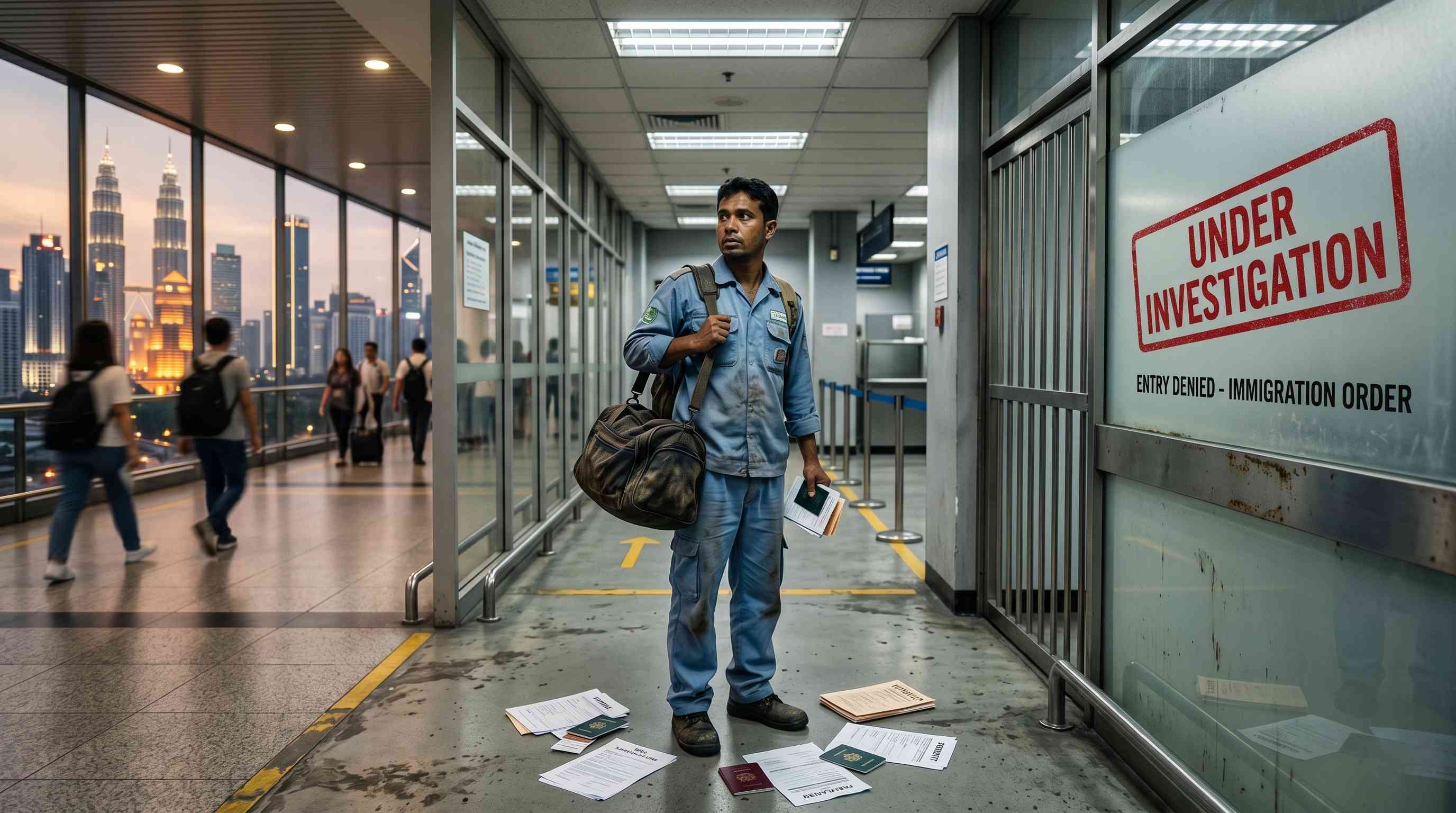
Malaysia opened its labor market to Bangladeshis in 1992 and closed it in 2009. This part explains why, and why the 2012 government-to-government fix fell short.
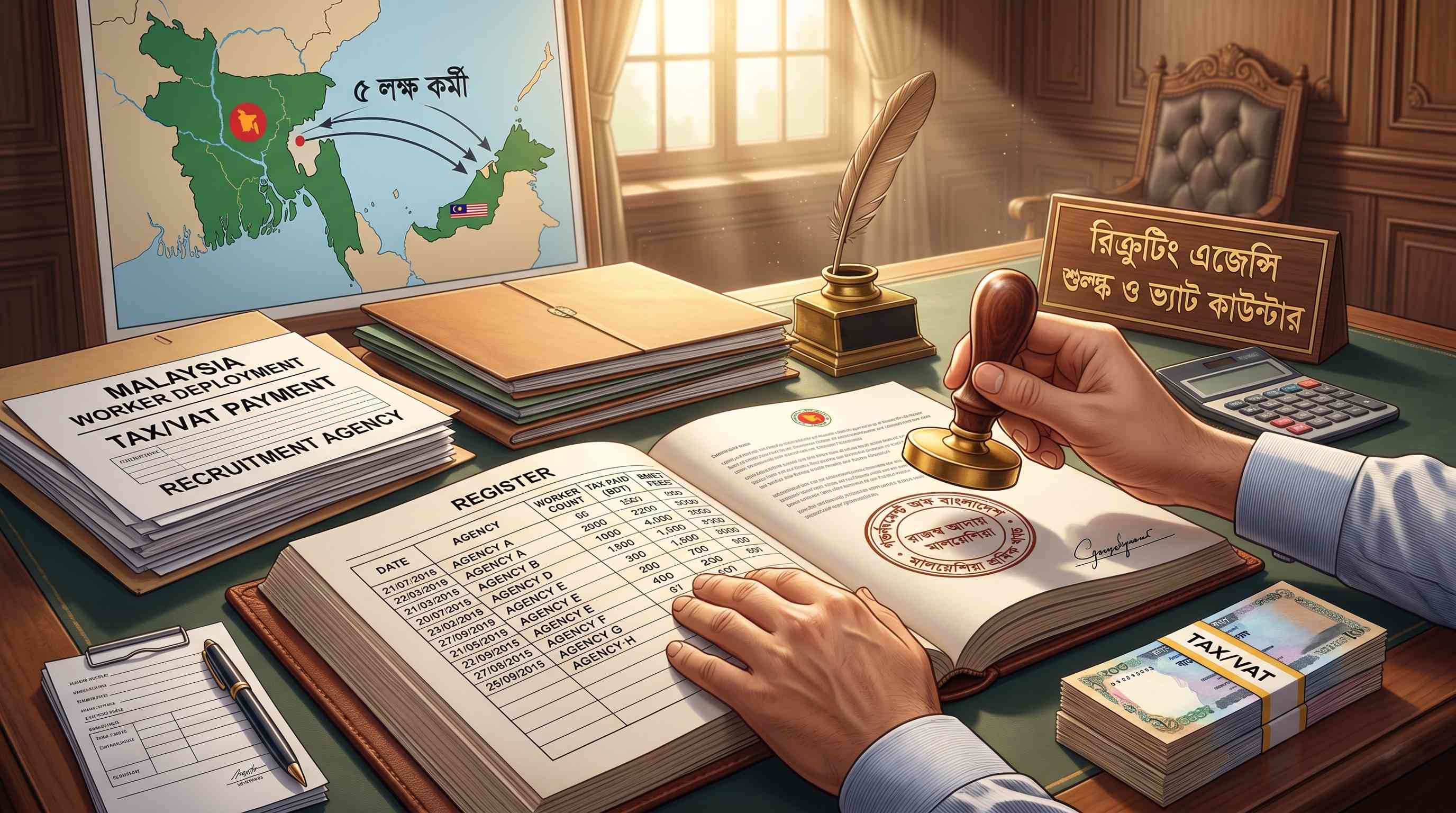
Recruiting agencies paid applicable taxes, VAT, and BMET clearance fees throughout the deployment process, integrating worker placement into the formal fiscal systems of both nations.
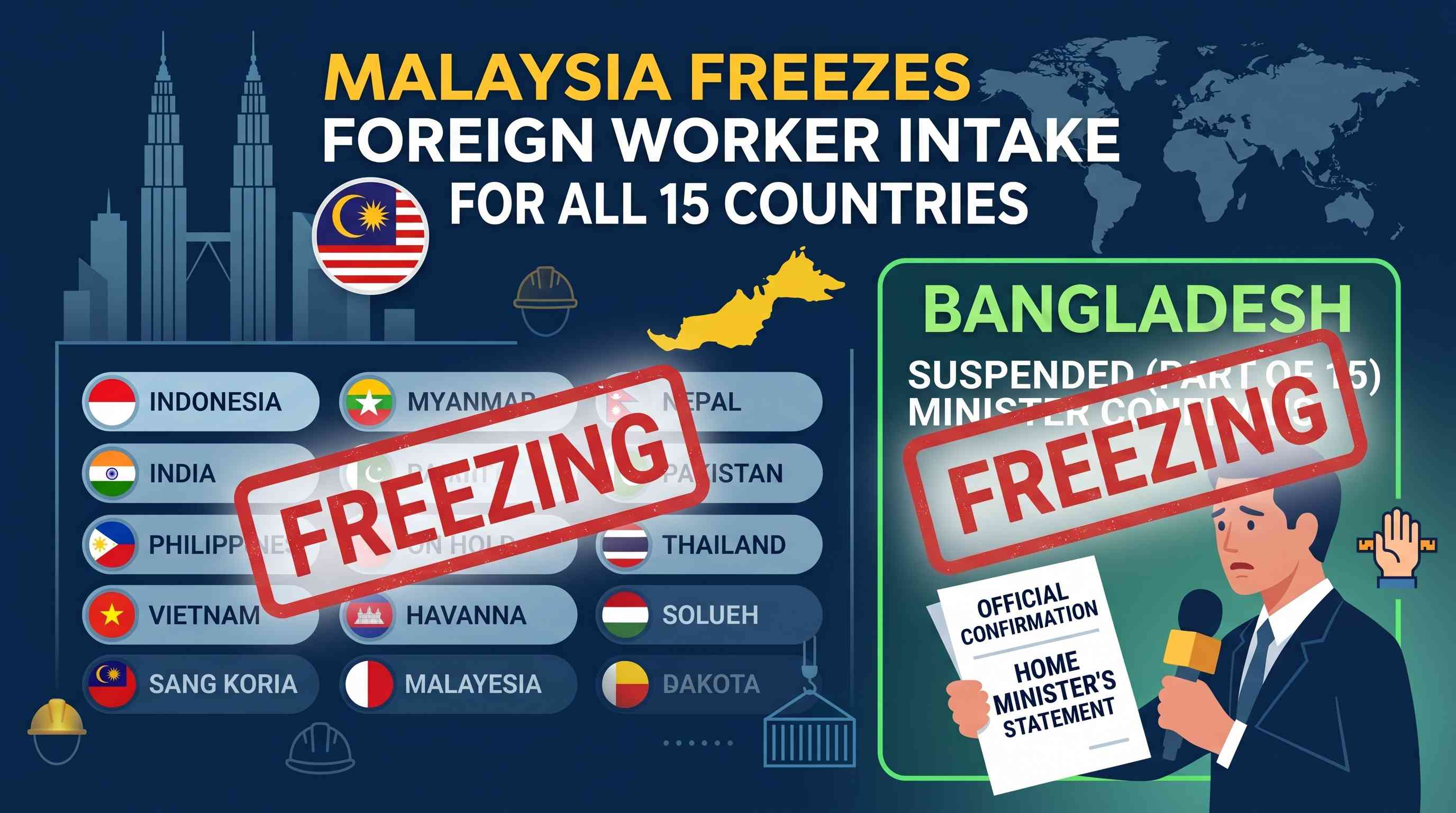
Malaysia's Home Minister confirmed on October 21, 2024, that the foreign worker recruitment freeze applies equally to all 15 source countries dismissing speculation that Bangladesh faces a targeted labor ban.
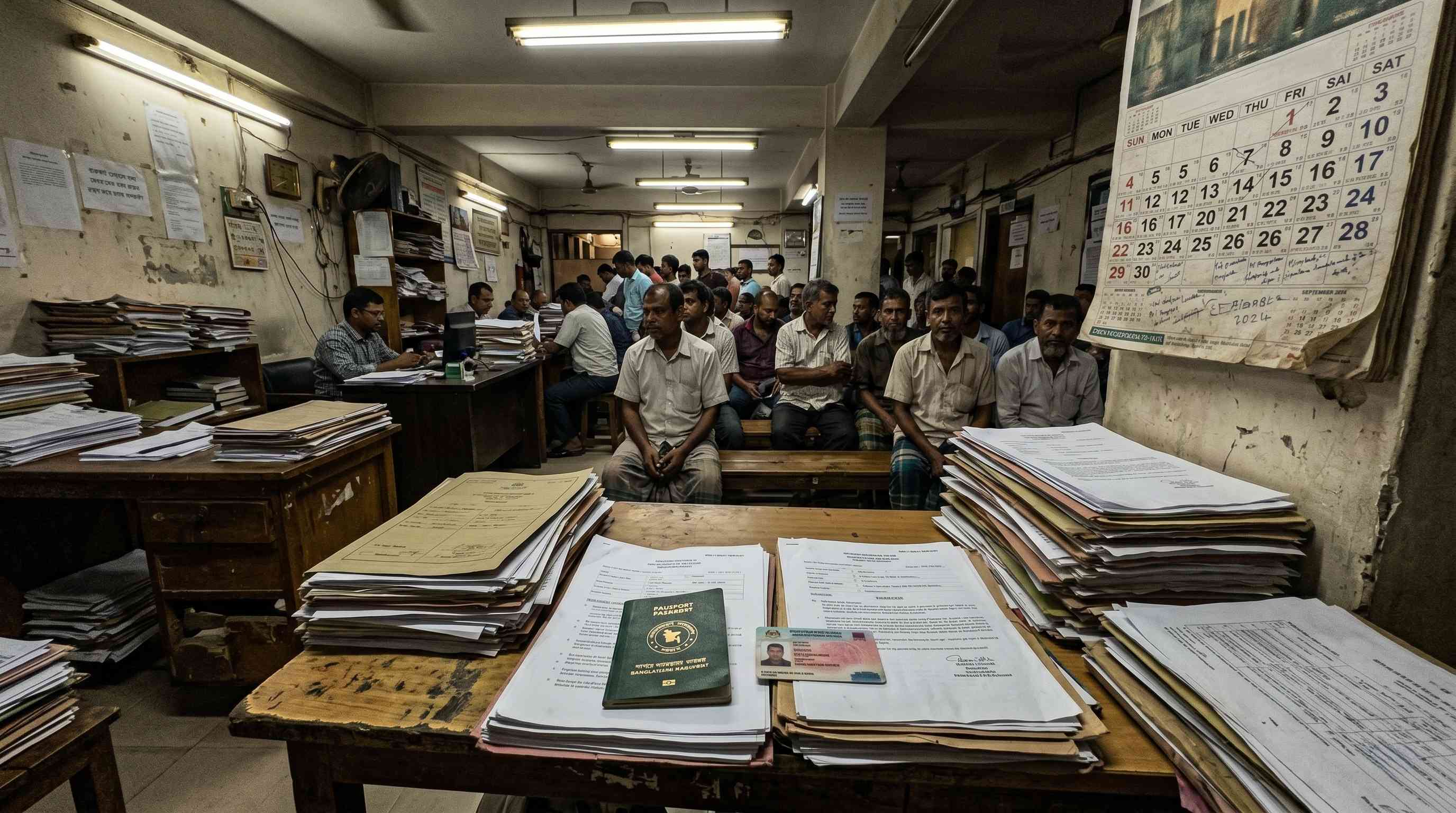
The legal battle surrounding the case filed by Afia Overseas against 103 individuals has brought Bangladesh's Malaysia labor corridor to a standstill, leaving the employment of millions of people and remittance earnings
Every complaint filed against a listed agency in Dhaka sends a signal to Malaysian employers — and that signal has a measurable price, paid in lost jobs and falling remittances.
Three decades of market collapses, broker fraud and diplomatic resets ended in a fragile breakthrough: more than 476,000 workers deployed in under two years. Keeping that channel open will take discipline.