Wang Kelian’s Mass Graves: The Human Cost of Closing Bangladesh’s Legal Migration Corridor to Malaysia

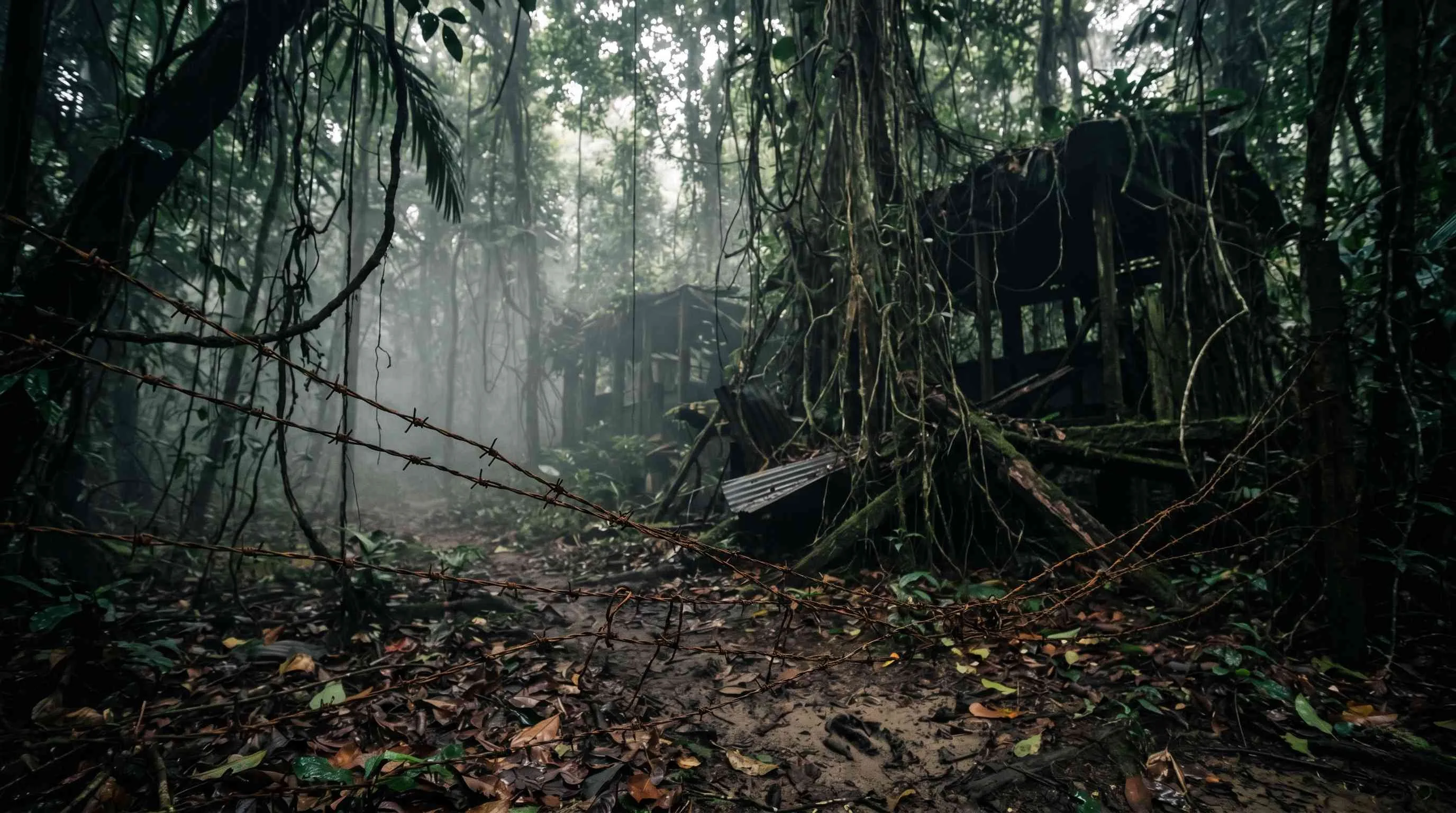
In the spring of 2015, the discovery of 139 mass graves and 28 abandoned human trafficking camps in the dense jungle of Wang Kelian — straddling the Malaysia-Thailand border — confronted the world with the most visceral possible evidence of what happens when legal migration pathways close and desperate people are left with no option but criminal networks. Among the dead: Bangladeshi migrants who had paid traffickers everything they had for a chance to reach Malaysia, only to starve, die of disease, or be beaten to death in jungle captivity while their families waited in silence back home. The Wang Kelian tragedy was not a sudden catastrophe. It was the slow, predictable, and ultimately lethal outcome of a six-year closure of Bangladesh’s legal labour corridor to Malaysia — a period during which demand did not disappear, but the legal pathways did. What followed was a masterclass in how the absence of regulated migration creates the conditions for its most extreme opposite.
The Corridor That Closed — and the Routes That Opened
Malaysia’s legal labour market for Bangladeshi workers was effectively shut down in 2009. The closure followed years of accumulated frustration on the Malaysian side: widespread passport fraud, workers absconding from registered employers to seek informal work, and an ecosystem of unscrupulous brokers charging fees far beyond legal ceilings. The Bangladesh-Malaysia corridor — which had formally opened in 1992 — collapsed not because the demand for Bangladeshi workers evaporated, but because the institutional infrastructure around it had been allowed to corrode.
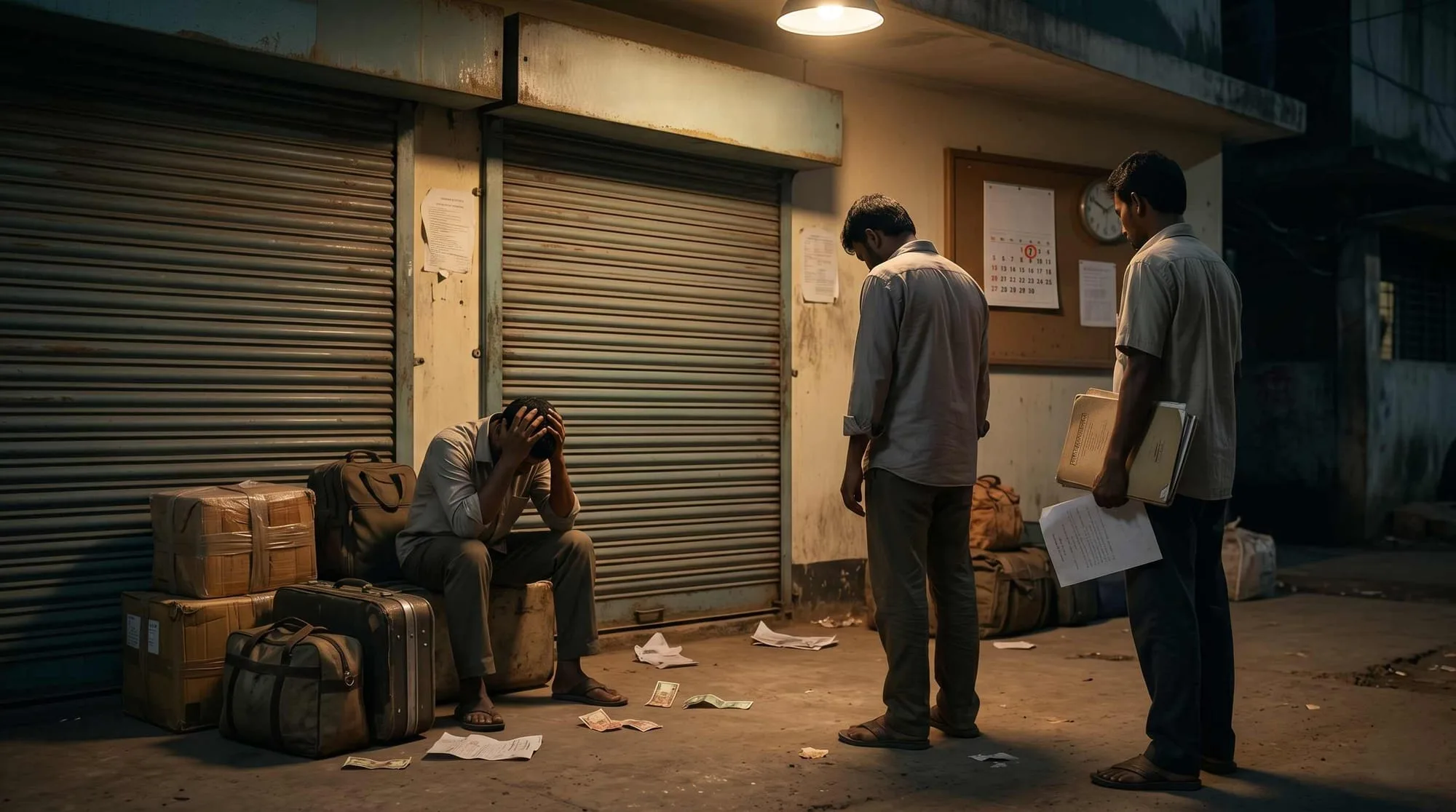
For the hundreds of thousands of Bangladeshi workers who had depended on Malaysia as a primary destination, the closure did not eliminate the aspiration. It eliminated the safety of the journey. With legal pathways shut, the only routes to Malaysia ran through Thailand’s southern provinces — through jungle camps, across sea channels in overcrowded boats, and through the hands of criminal syndicates who treated human beings as commercial cargo, holding them in captivity while demanding ransoms from their families in Bangladesh.
Wang Kelian: What Was Found in the Jungle
The first indication of what had been happening in those jungles came on January 19, 2015, when a raid on a trafficking camp in Bukit Wang Burma led Malaysian security forces to a site that would horrify the region. In January 2015, Malaysian authorities found 139 mass graves and 28 abandoned camps scattered near the rocky hills along the Thai border at Bukit Wang Burma in Wang Kelian, but waited four months to exhume the bodies. By the time the full extent of the site was documented, the skeletal remains of about 130 people had been found — the victims allegedly from the ethnic Rohingya community of Myanmar and Bangladesh.
On the Thai side of the border, the picture was equally grim. On May 1, 2015, a joint military-police taskforce discovered at least 30 bodies at an abandoned human trafficking camp in the Sadao district of Songkhla province close to the Thai-Malaysian border. Many were buried in shallow graves, while others were covered with blankets and clothes and left in the open. Police reports indicate the dead were ethnic Rohingya Muslims from Myanmar and Bangladesh who starved to death or died of disease while held by traffickers who were awaiting payment of ransoms before smuggling them into Malaysia.
Human rights NGO Fortify Rights and Malaysia’s human rights commission SUHAKAM found reasonable grounds to believe that a transnational criminal syndicate had committed crimes against humanity against these trafficked persons. The camps were not makeshift stopovers — they were detention facilities, run with calculated brutality, where migrants who could not immediately pay were beaten, starved, and in many cases killed.
The Trafficking Network: How It Operated
The Sea Route
Tens of thousands of migrants from Bangladesh and Myanmar were loaded onto overcrowded boats in the Bay of Bengal, paying traffickers thousands of dollars for passage — often financed by family loans or land sales back home. Boats frequently held passengers for weeks before reaching Thai waters.
The Jungle Camps
Migrants who arrived in southern Thailand were transferred to jungle camps straddling the Thai-Malaysian border. There, traffickers held them in caged enclosures, demanding further ransom payments from families before allowing passage into Malaysia. Those whose families could not pay faced prolonged detention, starvation, and violence.
Official Complicity
Thai officials had known of the existence of the camps for years and were complicit in the operations of traffickers. Thailand ultimately convicted 62 defendants including nine government officials over the deaths and trafficking of Rohingya and Bangladeshis in 2017.
The Abandonment
The discovery of camps and graves on the Thai side of the border in 2015 led authorities in Thailand to crack down on people smugglers, but prompted traffickers to abandon at sea thousands of migrants making their way to the border area in overcrowded boats — triggering a cascading regional humanitarian emergency.
Timeline: From Closure to Catastrophe to Reckoning
2009
Bangladesh–Malaysia legal labour corridor effectively closed, following years of passport fraud, worker absconding, and unchecked brokerage. Irregular migration via sea and land routes through Thailand surges as demand for Malaysian employment persists.
2012–2015
Transnational trafficking syndicates operate jungle detention camps along the Thai-Malaysian border at industrial scale. Rohingya from Myanmar and Bangladeshi migrants are held for ransom, starved, and killed in captivity. Thai officials are later found to have been aware of — and complicit in — the camps’ operations.
January 19, 2015
The first raid on a human trafficking camp in Wang Kelian leads to the discovery of mass graves. 38 trafficking victims — 22 Bangladeshis and 16 from Myanmar — are detained. An estimated 150 individuals escape into the jungle during the raid.
April 30 – May 25, 2015
Thailand announces discovery of more than 30 bodies in a mass grave near the Malaysian border. On May 25, 2015, the Royal Malaysian Police announces the discovery of 139 graves and 28 suspected human-trafficking camps in Wang Kelian, Perlis State, Malaysia. The scale of the tragedy becomes undeniable.
2017
Thailand convicts 62 defendants — including nine government officials — over the deaths and trafficking operations linked to the border camps. Malaysia arrests 12 police officers and several foreign nationals. The Bangladesh-Malaysia G2G Plus framework is under negotiation, recognising that legal pathways must be restored and secured.
2019–2022
Malaysia’s Royal Commission of Inquiry concludes witness hearings after 17 days of testimony from 48 witnesses. The resulting report is initially classified as a state secret before eventually appearing on the Ministry of Home Affairs website. The RCI finds gross negligence in border enforcement but no evidence of direct official involvement in trafficking.
December 2021 – June 2022
Bangladesh and Malaysia sign a new MoU; legal recruitment resumes through 25 — later 101 — enlisted agencies under a fully digitised FWCMS pipeline. The restoration of a legal, accountable corridor directly addresses the structural void that had made the Wang Kelian tragedy possible.
June 2023
Four Thai nationals are charged under Malaysia’s anti-trafficking laws over the Wang Kelian graves and transit camps — extradited from Thailand in the first such extradition in the case. Eight years on, the pursuit of accountability continues.
The Institutional Failure Behind the Human Failure
What the Wang Kelian inquiry ultimately revealed was not simply the brutality of a criminal network, but the institutional failure that allowed it to operate for years. Though Malaysia set up a Royal Commission of Inquiry, no report was made public for years, with officials calling it an official state secret. When the report did eventually surface, it admitted gross negligence on the part of border patrols, and noted that illegal syndicates operated freely in the absence of meaningful enforcement.
The deeper institutional failure, however, preceded the camps themselves. When a legal migration corridor is closed without addressing the underlying demand — on both the sending and receiving sides — that demand does not disappear. It is rerouted. The six-year effective closure of Bangladesh’s legal labour pathway to Malaysia between 2009 and the eventual G2G resumption in 2012 created precisely the conditions in which trafficking syndicates could offer the only available route to a destination that hundreds of thousands of Bangladeshis still desperately wanted to reach.
Wang Kelian’s Enduring Policy Lesson
| Condition | Outcome When Legal Channels Close | Outcome When Legal Channels Function |
|---|---|---|
| Worker demand for Malaysia | Redirected to irregular routes via Thailand | Met through FWCMS-verified, government-supervised pipeline |
| Migration cost | Unregulated — thousands of dollars to traffickers, with no guarantee of survival | Government-capped fees; receipts issued to every worker |
| Worker safety | Jungle detention, ransom, starvation, death | Bilingual contracts; employer accountability; High Commission oversight |
| Accountability | Criminal syndicates; complicit officials; years of impunity | Multi-institutional verification chain from BMET to Malaysian Immigration |
| Diplomatic consequence | Regional humanitarian crisis; international condemnation; damaged bilateral trust | Bangladesh rises to 4th largest remittance source for Malaysia |
The 476,672 workers who reached Malaysia safely between August 2022 and May 2024 — every one of them documented, verified, contracted, and protected — represent not just an economic statistic but a direct policy answer to Wang Kelian. The mass graves in the jungle of Perlis are the most extreme possible argument for why legal migration corridors must be maintained, not abandoned — and why, when disputes arise within them, the response must be institutional reform rather than closure. The dead of Wang Kelian paid the ultimate price for a policy failure. That price must never be forgotten.