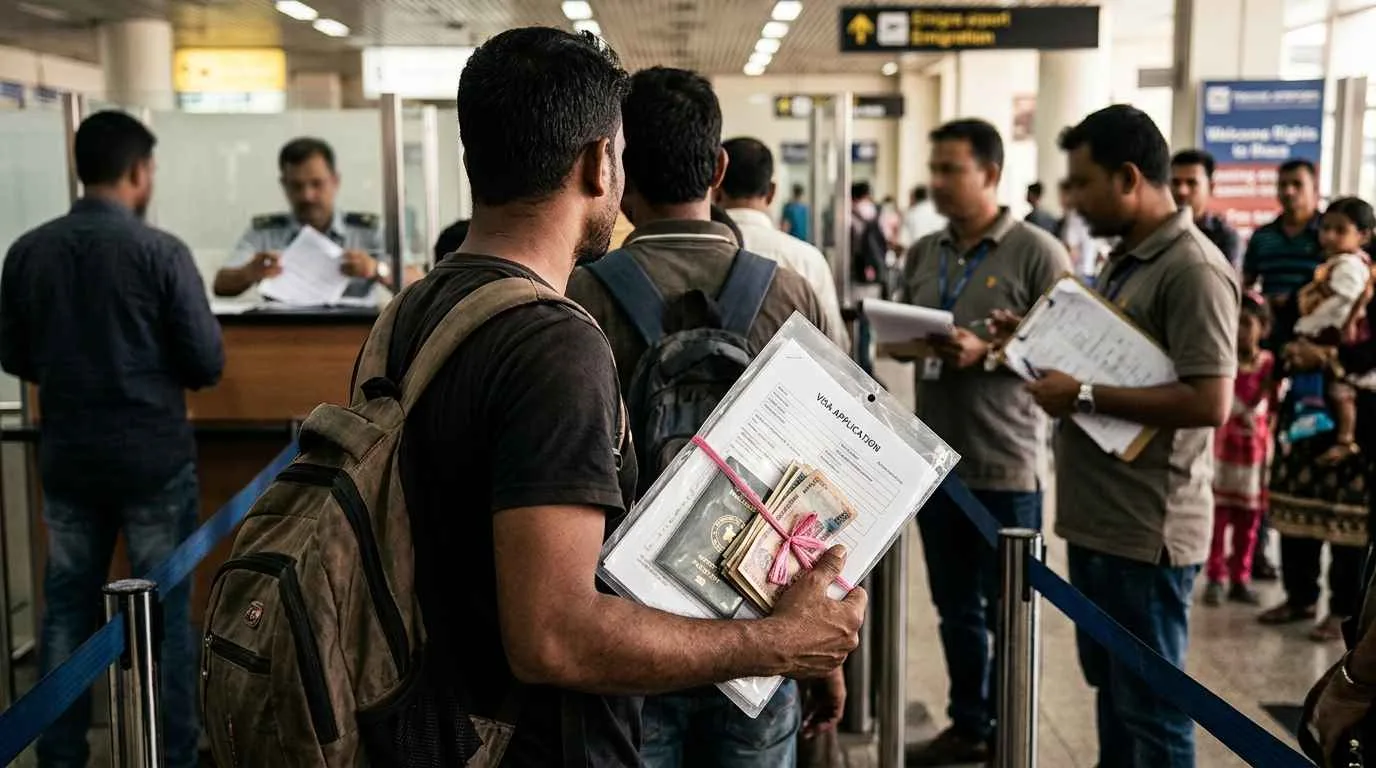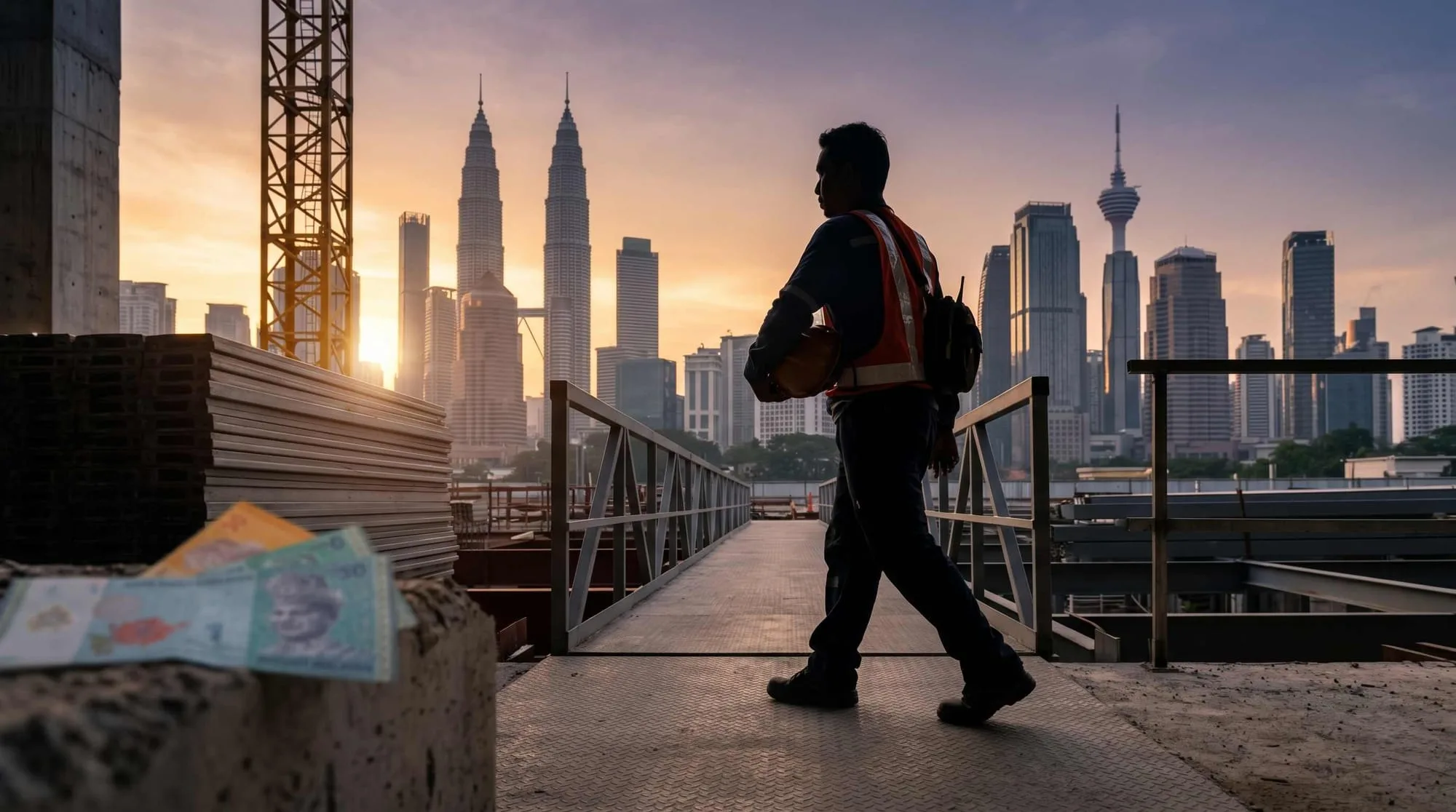

Bangladesh and Malaysia’s 2021 MoU sent 476,672 workers abroad in under two years — but whether the 101-agency framework and Malaysia’s FWCMS digital platform have delivered on their core promises of affordability, transparency, and safety remains an open and urgent question for the hundreds of thousands of Bangladeshi workers still navigating the system today.
A Historic Wave — But At What Cost?
When Bangladesh and Malaysia signed a new Memorandum of Understanding on December 19, 2021, it marked the most significant reopening of the Malaysian labor market to Bangladeshi workers in over a decade. The agreement established a structured recruitment pipeline managed by approved agencies and anchored by Malaysia’s Foreign Workers Centralized Management System — known as FWCMS — a fully automated, cross-ministry digital platform designed to eliminate document fraud and ensure end-to-end transparency. By May 2024, 476,672 Bangladeshi workers had made the journey. The numbers are historic. The questions they raise, however, are equally significant.
What the Framework Was Designed to Do
The controlled agency model introduced through the 2016 G2G Plus MoU and carried forward into the 2021 agreement was built on a deliberate premise: fewer agencies meant cleaner accountability. Malaysia modeled this logic in part on Singapore’s approach, which manages Bangladeshi worker recruitment through just six training centers and fourteen agencies — a framework credited with maintaining disciplined, transparent migration flows. The FWCMS platform reinforced this by digitizing every step of the recruitment process across multiple government ministries in both countries, from demand letters to BMET exit clearance. The system was designed to make irregularities traceable and preventable.
The 101-Agency Expansion
Following a joint working group meeting in June 2022, recruitment commenced through 25 approved Bangladeshi agencies. The list was subsequently expanded to 101 agencies including BOESL. The expansion enabled online verification across the full recruitment pipeline and facilitated the largest structured wave of migration between the two countries.
The FWCMS Platform
Malaysia’s Foreign Workers Centralized Management System is a fully automated, cross-ministry digital platform integrating every step of the worker recruitment process. It was introduced under the 2016 G2G Plus MoU specifically to close the procedural gaps that manual processing had long left open and to restore employer and government confidence in Bangladeshi worker recruitment.
The Associate Agency Problem
Unlisted agencies excluded from the approved framework organized protests and generated political pressure on the ministry. In response, approved agencies were permitted to bring unlisted agencies in as associate partners. This reopened the vulnerability the controlled system had been designed to close, with migration costs for some workers climbing to 500,000 BDT or more.
The Path Forward
Available data recommends eliminating intermediary and associate agencies from the recruitment supply chain and restoring full operational authority to quota-approved agencies. Direct management of the pipeline by approved agencies is identified as the most effective path to reducing migration costs and restoring the transparency the FWCMS-based system was originally built to guarantee.
A Decade of Groundwork Behind the Numbers
2009–2012
The Malaysian market effectively closes to Bangladeshi general workers following widespread passport forgery, illegal entry, and broker-driven irregularities that eroded employer and government confidence.
2012
A Government-to-Government agreement reopens the market. Despite a 30,000-worker quota, only approximately 9,000 workers migrate — demonstrating that structural frameworks alone cannot generate migration flows without genuine employer demand.
February 2016
Bangladesh and Malaysia sign a new MoU establishing the G2G Plus model, authorizing up to ten private recruiting agencies alongside government channels and introducing the FWCMS digital platform.
December 2021
A new MoU is signed to reopen the Malaysian labor market. Bangladesh agrees to allow Malaysia to select licensed agencies through an automated online system, laying the foundation for the 101-agency framework.
June 2022
Recruitment commences through 25 approved Bangladeshi agencies following a joint working group meeting. The approved agency list is subsequently expanded to 101 agencies including BOESL.
August 2022 – May 2024
476,672 Bangladeshi workers are deployed to Malaysia under the expanded framework, representing the largest structured migration wave between the two countries.
Policy Intent vs. Ground Reality
The gap between what the 2021 framework promised and what workers have experienced on the ground is most visible in migration costs. The controlled agency model was explicitly designed to prevent cost inflation by limiting the number of actors with authority over the recruitment supply chain. When associate agencies were permitted to operate alongside approved ones — responding to political pressure from unlisted agencies — that control weakened. Workers who entered the pipeline expecting regulated, affordable migration instead found themselves paying costs that the formal system had been built to eliminate. The question now is whether the structural course correction identified in the data — restoring full authority to approved agencies and removing intermediaries — can be implemented before the next wave of migration begins.