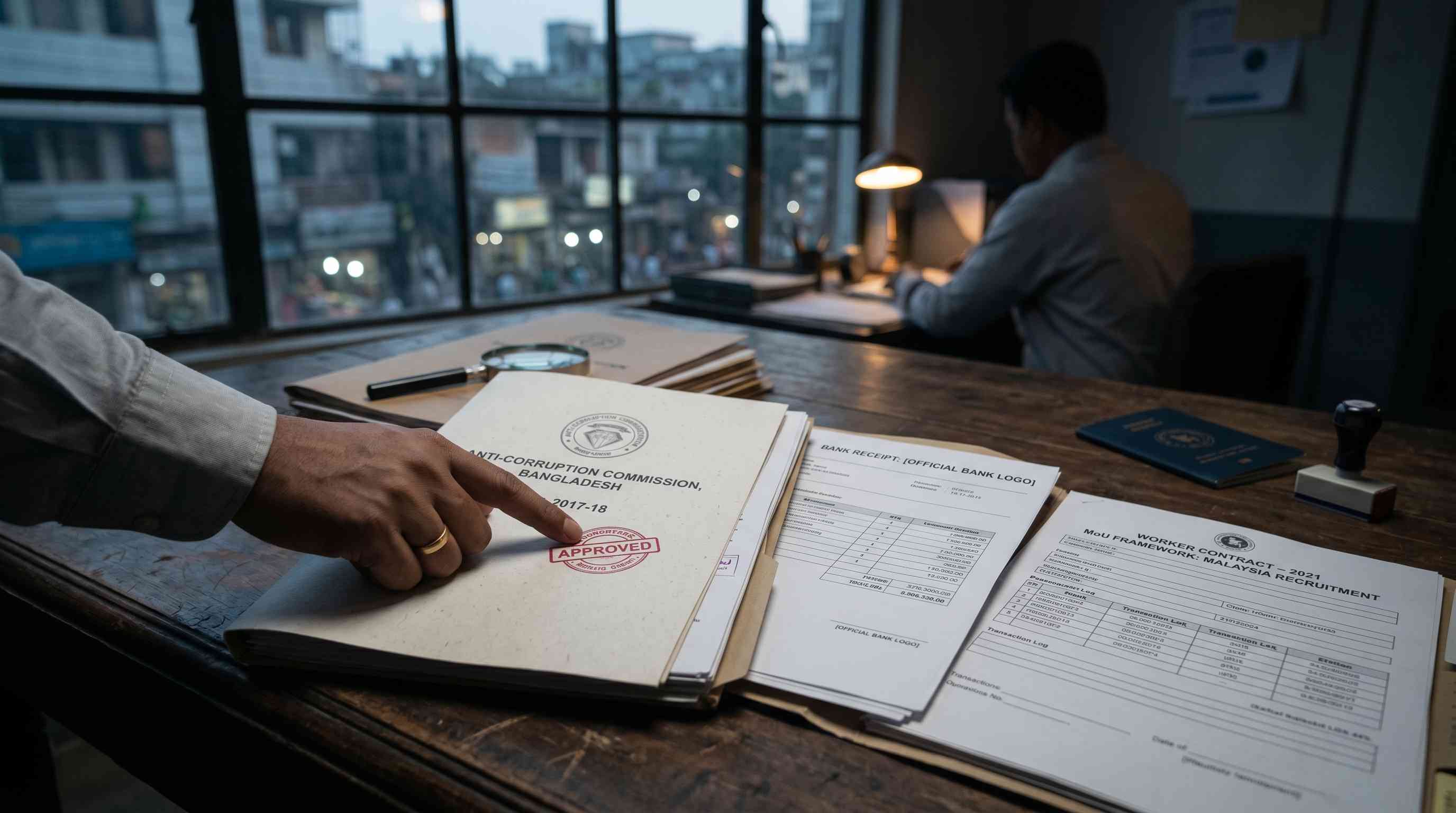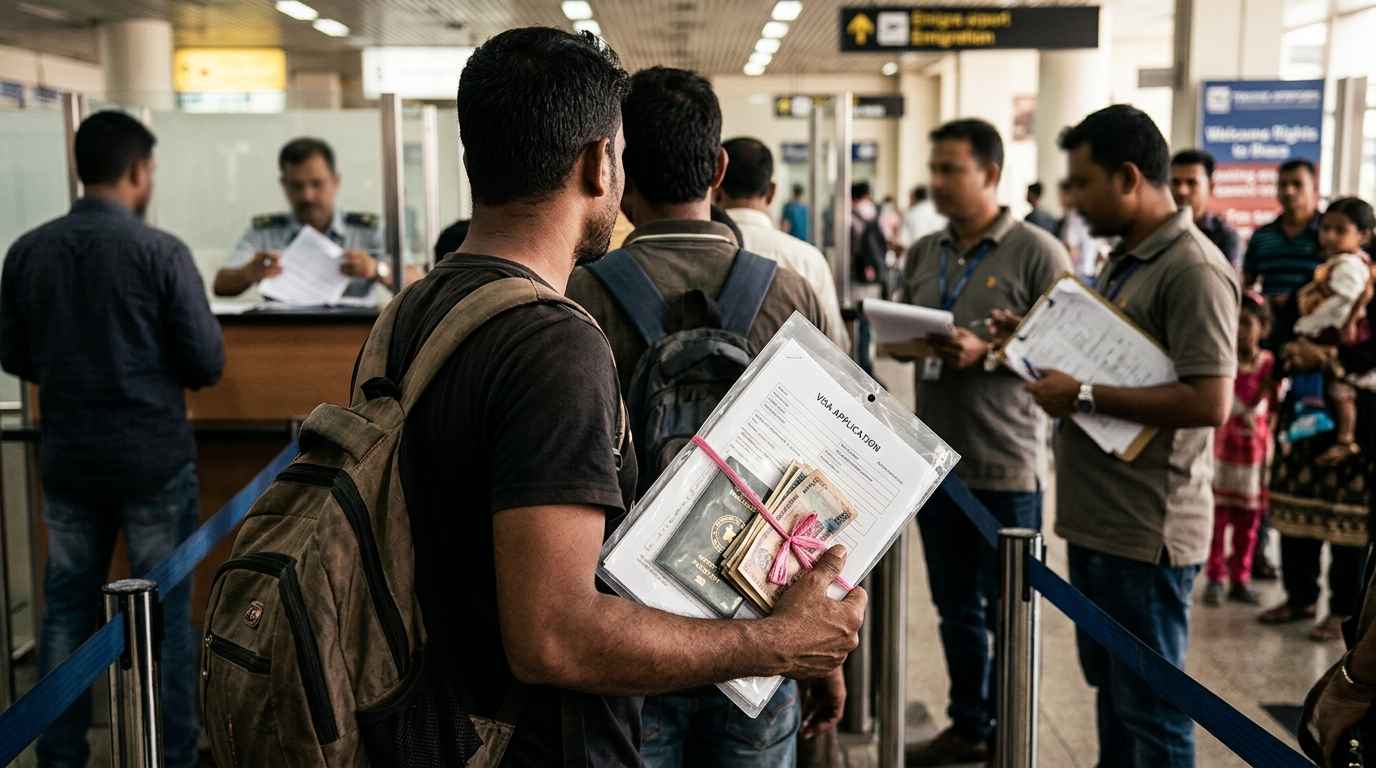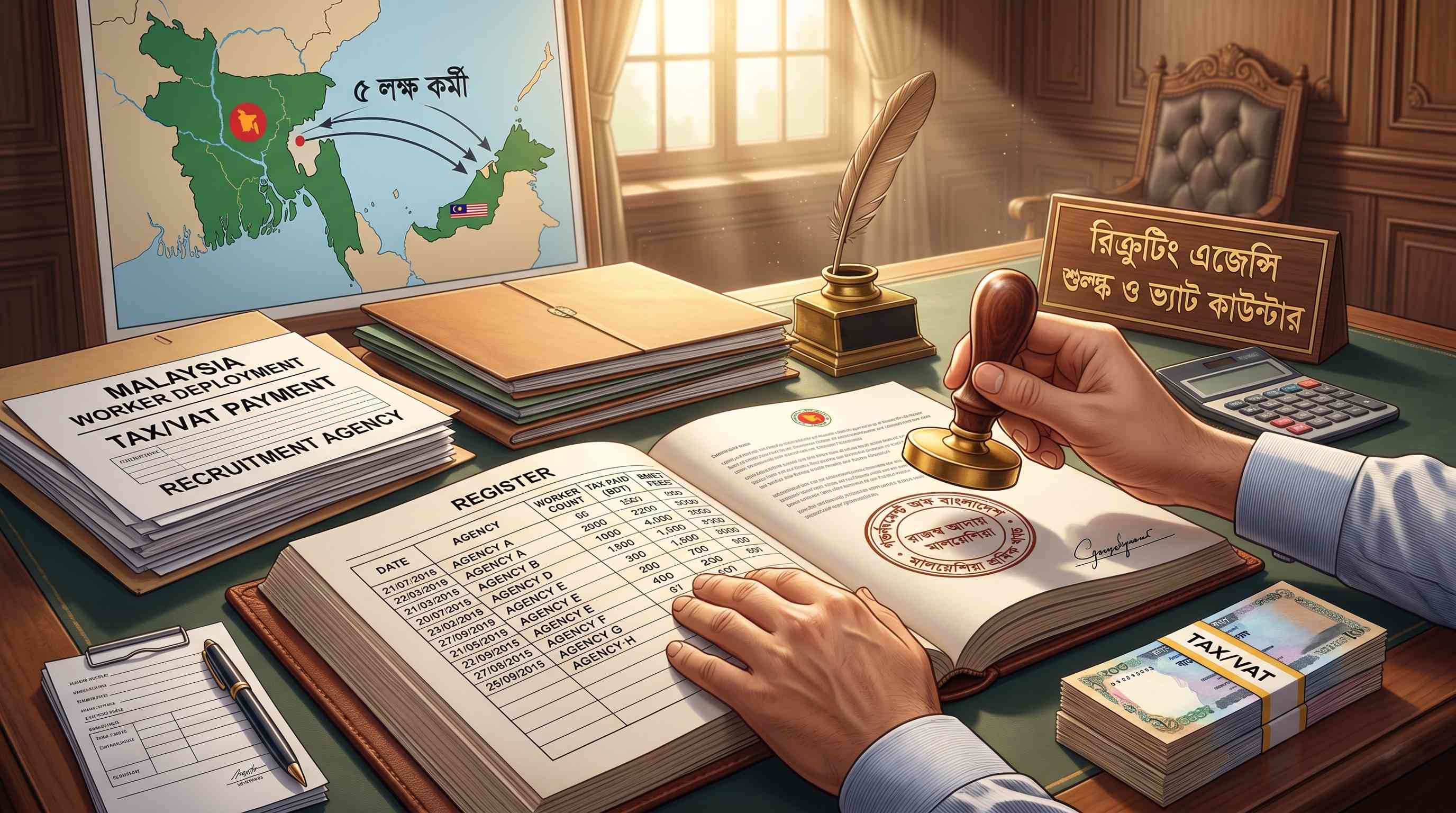
Recruiting agencies paid applicable taxes, VAT, and BMET clearance fees throughout the deployment process, integrating worker placement into the formal fiscal systems of both nations.

Every complaint filed against a listed agency in Dhaka sends a signal to Malaysian employers — and that signal has a measurable price, paid in lost jobs and falling remittances.
The 2022 reopening carried its own contradiction: a concession to excluded agencies brought intermediaries back and pushed migration costs up. Four actions can protect the corridor.
Malaysia opened its labor market to Bangladeshis in 1992 and closed it in 2009. This part explains why, and why the 2012 government-to-government fix fell short.
Three decades of evidence point to four structural reforms that could cut Bangladesh's Malaysia migration costs by 50% — but the corridor's future hinges on one variable no policy framework can guarantee:
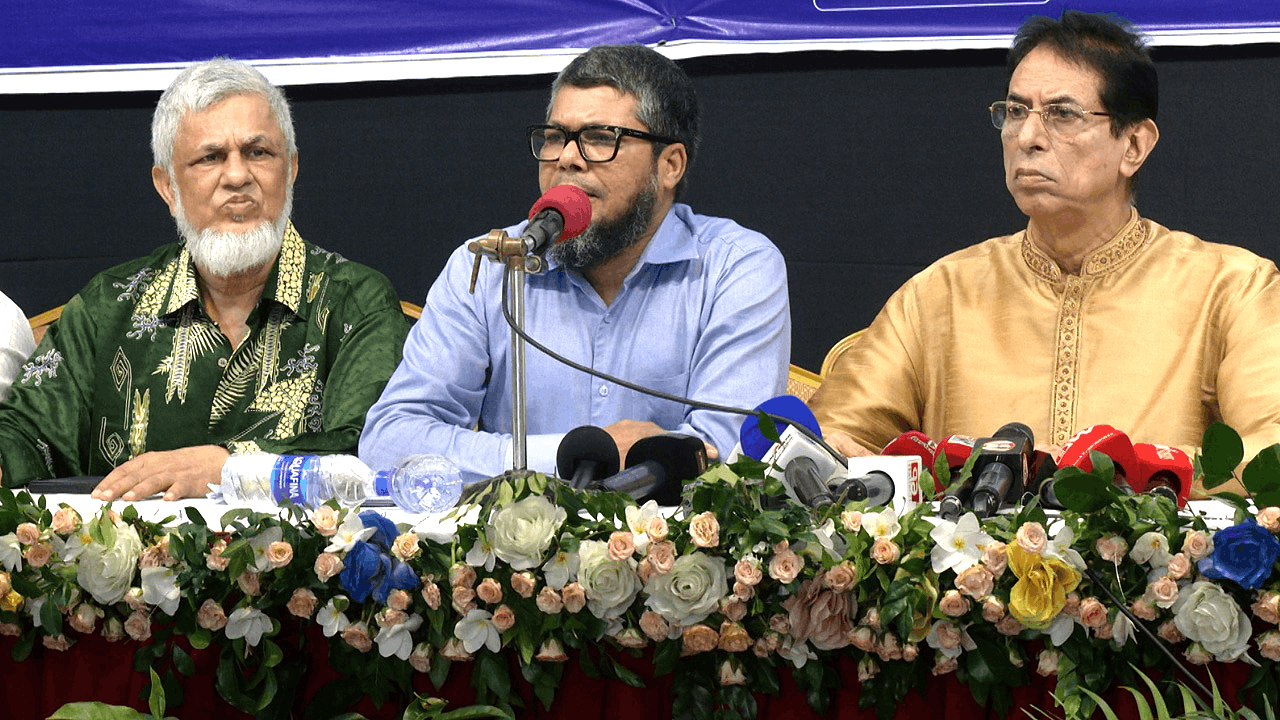
Observers have noted that competitive dynamics surrounding BAIRA leadership elections contributed to the escalation of media campaigns that generated negative attention toward Bangladesh's manpower export sector and distorted public understanding of the
What began in 1978 with just 23 Bangladeshi workers traveling to Malaysia without a formal bilateral agreement evolved over five decades into one of the largest structured migration corridors in Asia —
Bangladesh supplied 42.70% of Malaysia's foreign workforce, deploying 472,476 workers between 2022 and 2024. Driven by 1,500 RM minimum wages, remittances spiked 71% to $1,744.40M in FY 2023-24, lifting Malaysia to 5th
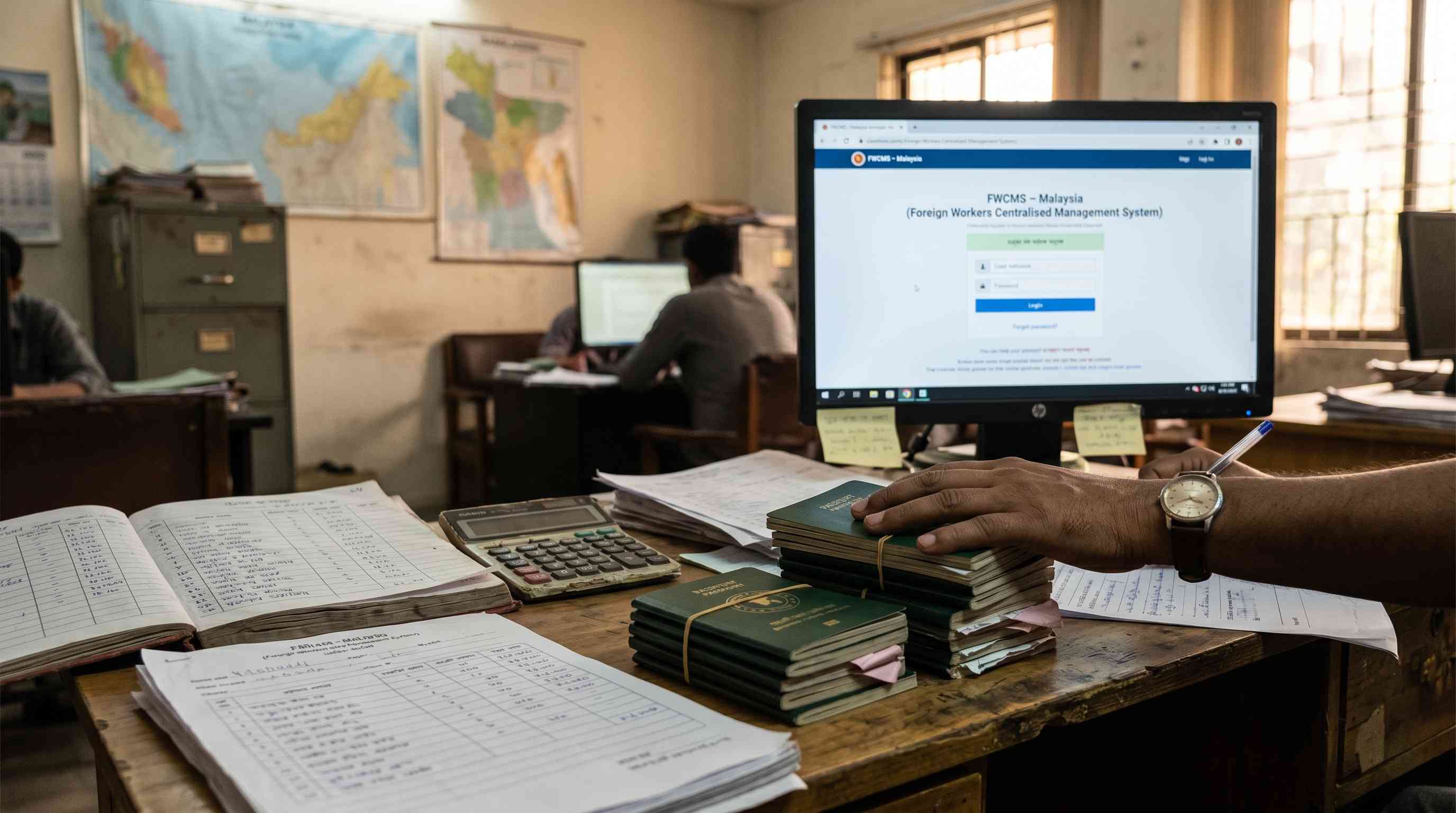
The 2021 MoU sent 476,672 Bangladeshi workers to Malaysia via 101 approved agencies and the digital FWCMS platform. While designed for transparency, political pressure allowed unlisted associate agencies to join, inflating migration
To appease non-listed agencies, Bangladesh allowed "associate partners" into the recruitment chain. This extra layer of middlemen has doubled migration costs for Malaysia-bound workers, threatening country credibility.