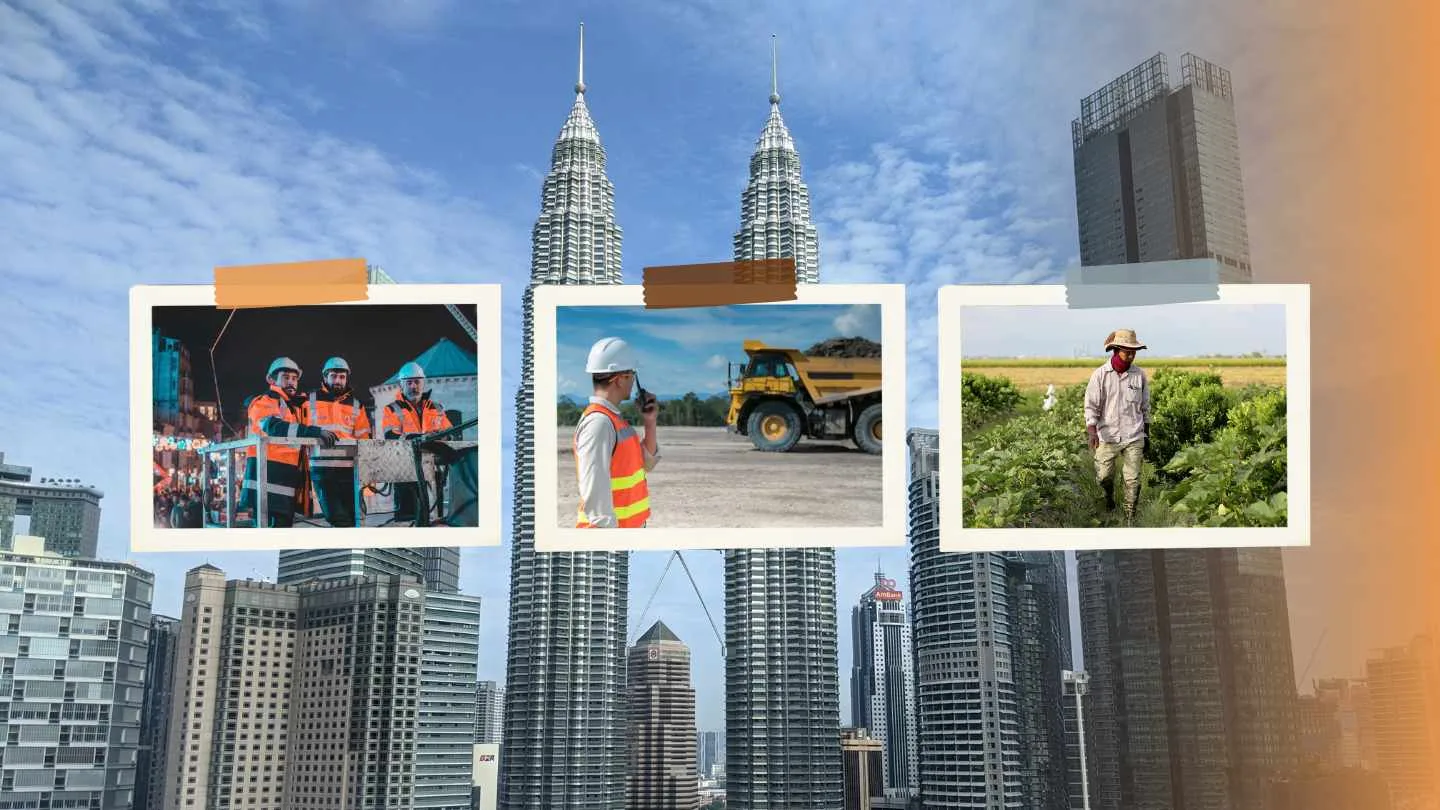
Malaysia Jumps to Bangladesh’s 4th Largest Remittance Source After Historic Three-Year Migration Drive

The 2021 Bangladesh-Malaysia labor Memorandum of Understanding has quietly become one of the most productive bilateral migration corridors in recent history — placing 476,672 Bangladeshi workers in formal employment between 2022 and 2024 and elevating Malaysia from 8th to 4th place among Bangladesh’s top remittance-sending countries. With August 2024 alone generating $251.9 million USD in remittances, the corridor has delivered measurable, sustained economic gains for hundreds of thousands of Bangladeshi families.
A Corridor Built on Bilateral Agreement
Bangladesh and Malaysia signed their labor Memorandum of Understanding on December 19, 2021, reopening a corridor that had been closed for an extended period. At a Joint Working Group meeting on June 2, 2022, both governments agreed that Malaysia would receive workers through a structured, limited agency framework — with the Malaysian government overseeing selection from Bangladesh’s official pool of 1,520 licensed recruiting agencies. Malaysia initially listed 25 agencies, later expanding to 101 including the state-owned BOESL. The labor corridor officially reopened on August 8, 2022.
How the Migration System Operated
Worker recruitment quotas were distributed among the 101 listed agencies through Malaysia’s Auto Allocation System under the Foreign Workers Centralized Management System (FWCMS). The Bangladesh High Commission authenticated demand letters, the Ministry issued recruitment approvals, and workers proceeded through medical checks before calling visas and e-visas were processed. BMET’s final exit clearance preceded every departure — creating a multi-stage, government-supervised pipeline from application to employment.
Auto Allocation System
Quotas were distributed directly from the Malaysian government’s automated system to listed agencies, ensuring a structured and accountable flow of worker placements throughout the corridor.
Employer Pays Model
Under Catharsis International’s supervision, 358 workers migrated at zero personal cost — all expenses borne by employers, with recruiting fees received through official banking channels from Malaysia.
BOESL’s Low-Cost Role
The state-owned Bangladesh Overseas Employment and Services Limited facilitated nearly 2,000 workers at little or no cost, providing an accessible pathway alongside the private agency framework.
800+ Agencies in Practice
Although 101 agencies were formally listed, over 800 additional recruiting agencies participated in the 2022–24 migration phase as employer-approved associates and agents.
Remittance Impact: From 8th to 4th in Three Years
The scale of worker deployment rapidly translated into remittance growth. Malaysia’s rise from 8th to 4th place among Bangladesh’s top remittance-sending countries reflects the volume and consistency of earnings being repatriated by workers placed under the MoU framework. The August 2024 figure of $251.9 million USD in a single month illustrates the corridor’s sustained economic contribution to Bangladesh’s foreign exchange earnings and household incomes across the country.
Worker Earnings and Protections
All workers deployed under the MoU framework are receiving a minimum base salary of 1,500 Malaysian Ringgit per month — approximately 50,000 BDT including overtime. Listed agencies collected only government-prescribed fees and issued written receipts to each worker. The combination of salary floors, fee regulation, and receipt issuance established a baseline of worker financial protection throughout the corridor’s operational period.
Key Milestones of the Bangladesh-Malaysia Labor Corridor
December 19, 2021
Bangladesh and Malaysia sign the MoU, establishing the legal and procedural basis for reopening the bilateral labor corridor.
June 2, 2022
Joint Working Group meeting finalizes agency selection methodology. Malaysia begins identifying authorized recruiters from Bangladesh’s pool of 1,520 licensed agencies.
August 8, 2022
Labor corridor officially reopens. Worker migration begins through 101 listed agencies under the Auto Allocation System.
January 2024
Visa processing responsibility shifts from MEFC to individual hiring companies per Malaysian government directive. MEFC continues providing technical assistance from Dhaka.
March 1, 2024
Malaysia’s Immigration Department issues circular requiring all quota-approved workers to enter by May 31, 2024, following the country’s 2.5 million foreign worker ceiling being reached.
June 1, 2024
Universal recruitment freeze takes effect across all 15 source countries. 476,672 Bangladeshi workers have been successfully placed under the corridor.
October 21, 2024
Malaysian Home Minister Dato’ Seri Saifuddin Nasution Ismail publicly confirms the recruitment freeze applies equally to all source countries. August 2024 remittances from Malaysia reach $251.9 million USD.
Corridor by the Numbers
| Indicator | Figure |
|---|---|
| Total workers placed (2022–2024) | 476,672 |
| Authorized recruiting agencies | 101 (plus 800+ associates) |
| Malaysia’s remittance rank for Bangladesh | 4th (up from 8th) |
| August 2024 remittances from Malaysia | $251.9 million USD |
| Minimum monthly base salary for workers | 1,500 MYR (~50,000 BDT incl. overtime) |
| Workers migrated under Employer Pays Model | 358 (zero cost to workers) |
| Workers facilitated by BOESL at low/no cost | ~2,000 |
| MoU signing date | December 19, 2021 |
| Corridor operational period | August 2022 – May 2024 |