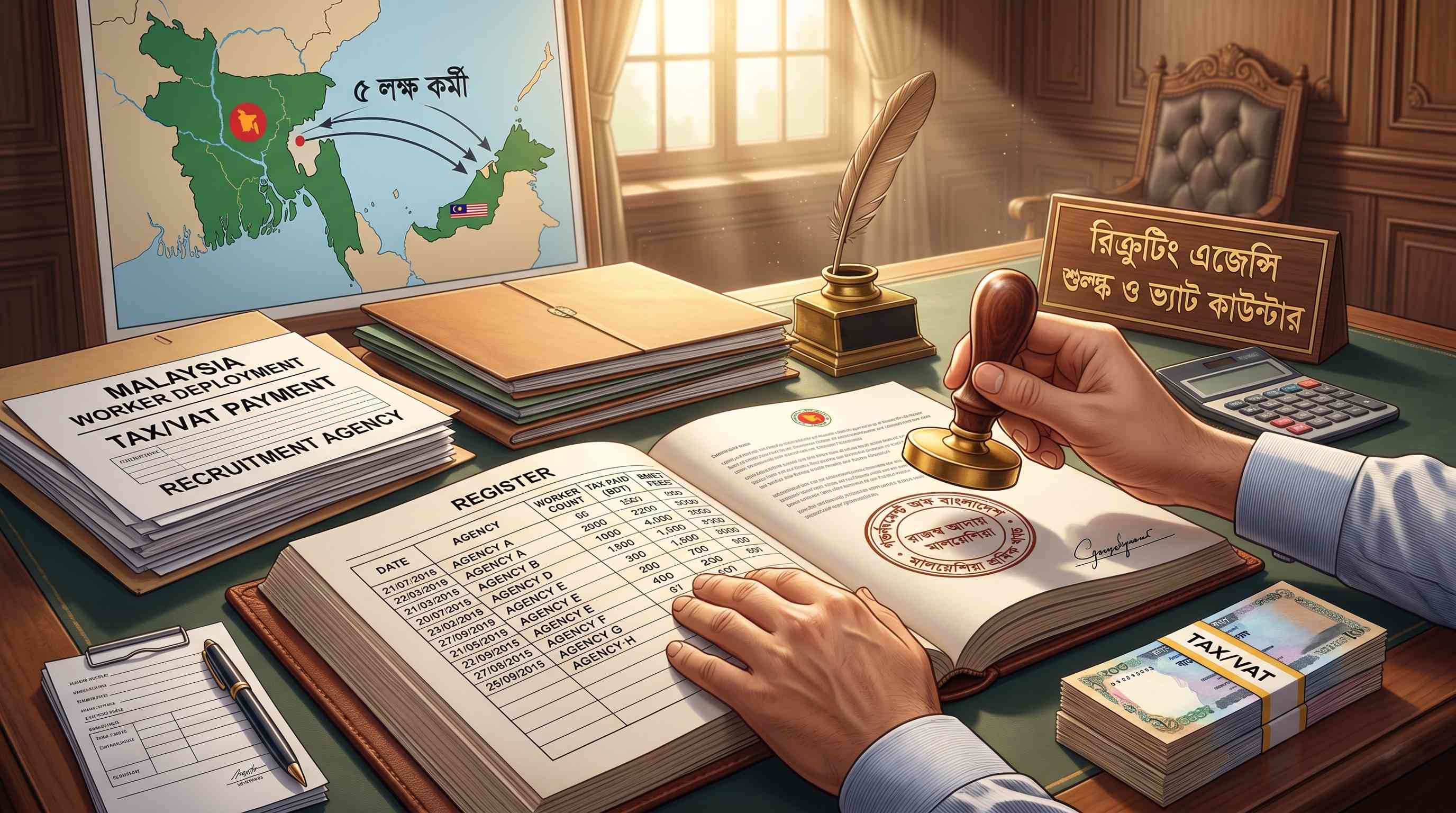
Recruiting agencies paid applicable taxes, VAT, and BMET clearance fees throughout the deployment process, integrating worker placement into the formal fiscal systems of both nations.
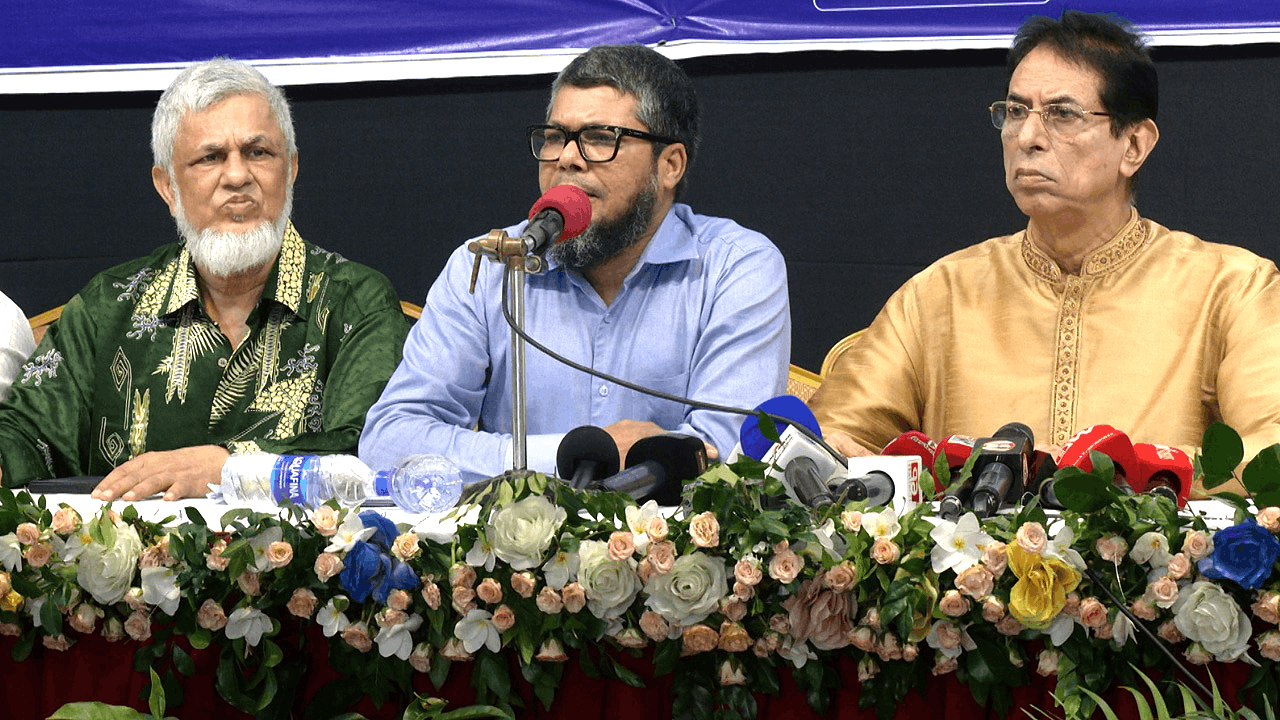
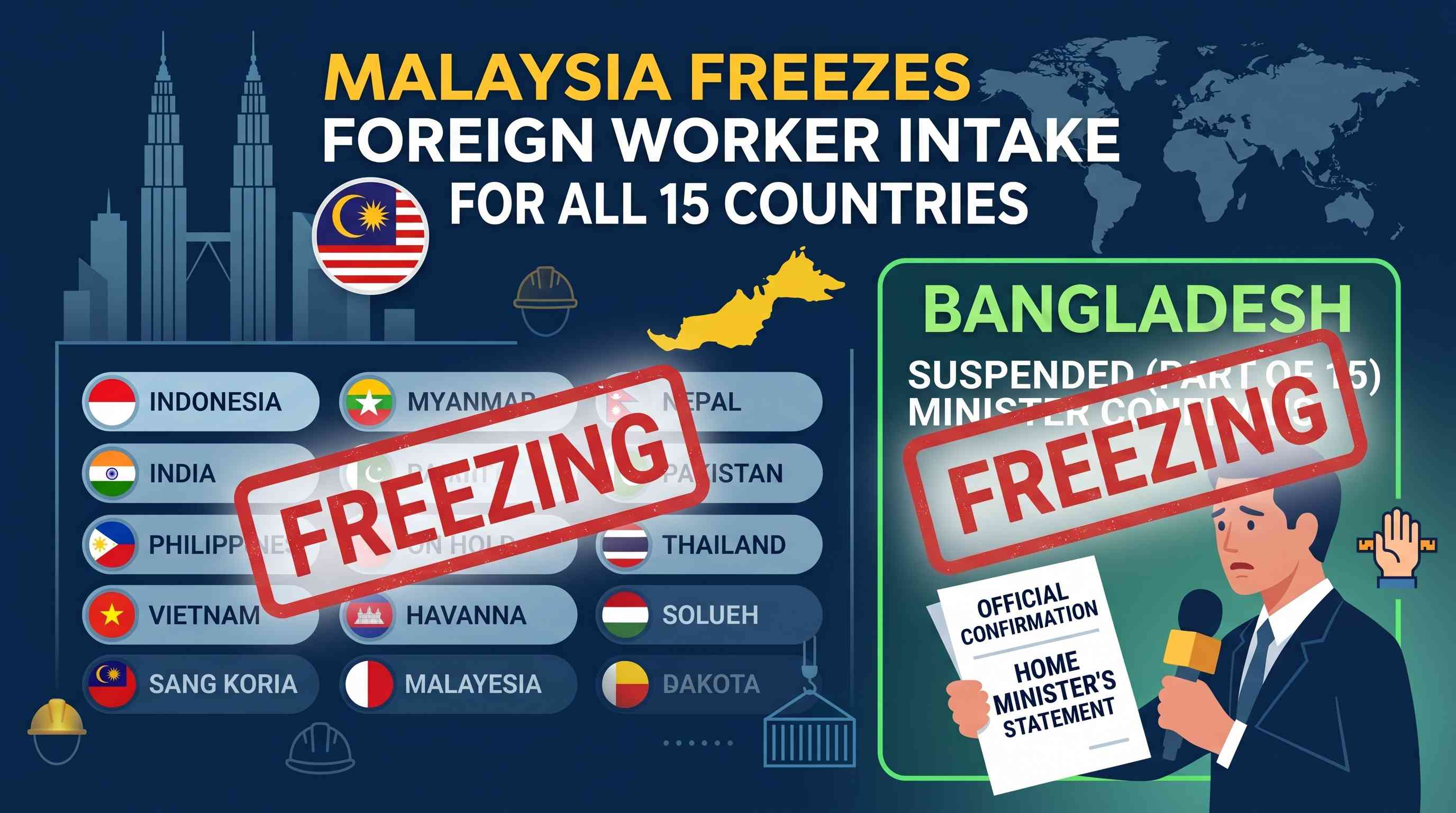
Malaysia's Home Minister confirmed on October 21, 2024, that the foreign worker recruitment freeze applies equally to all 15 source countries dismissing speculation that Bangladesh faces a targeted labor ban.
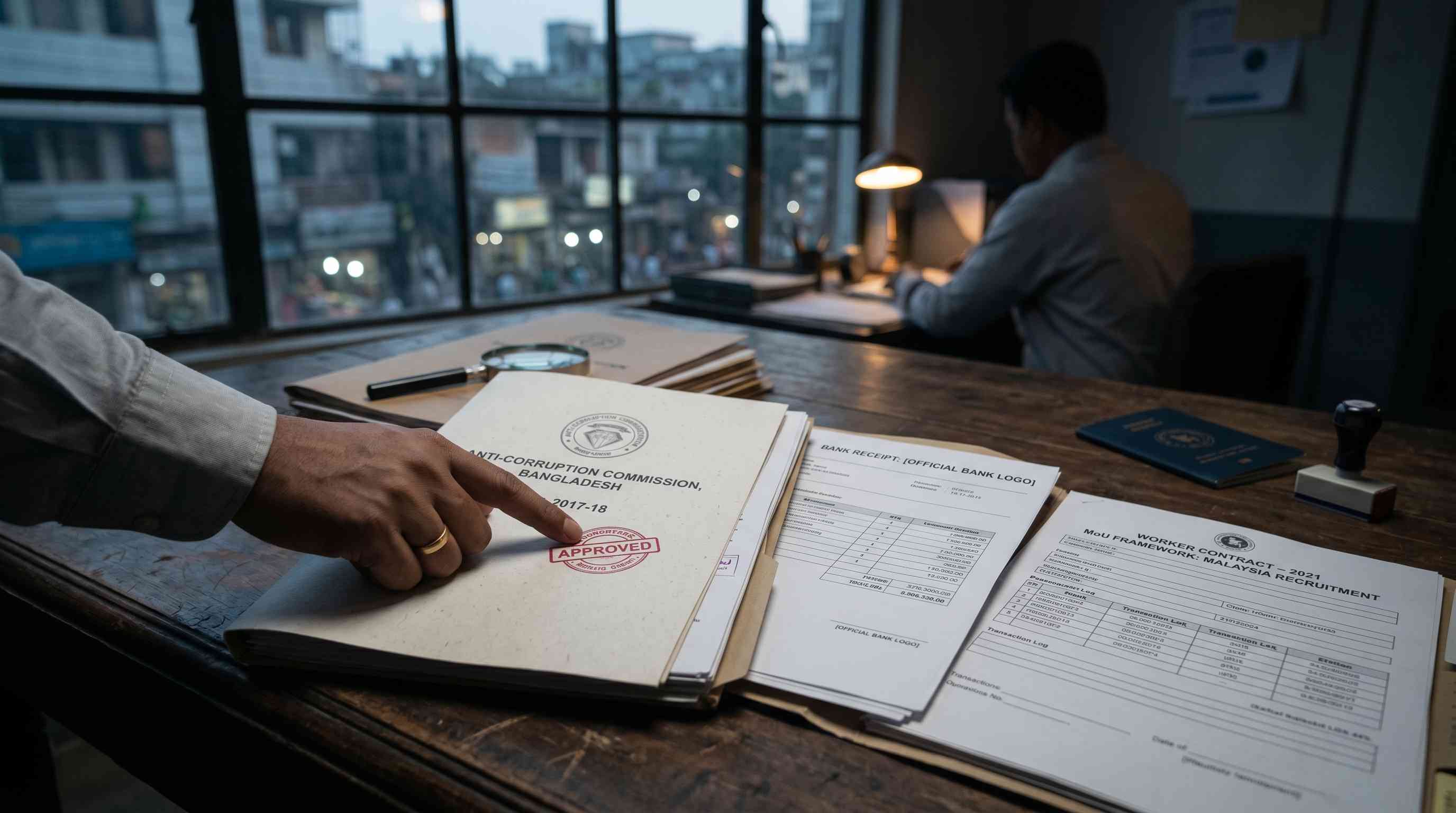
An Anti-Corruption Commission investigation conducted in 2017–18 found no evidence that listed Bangladeshi recruiting agencies were involved in visa trading or illegal transfer of funds to Malaysia — a finding that directly
Unauthorized agencies used dummy demand letters and fake powers of attorney to purchase Malaysian visas outside the official system — reducing approved agencies to paperwork processors while charging workers up to 500,000
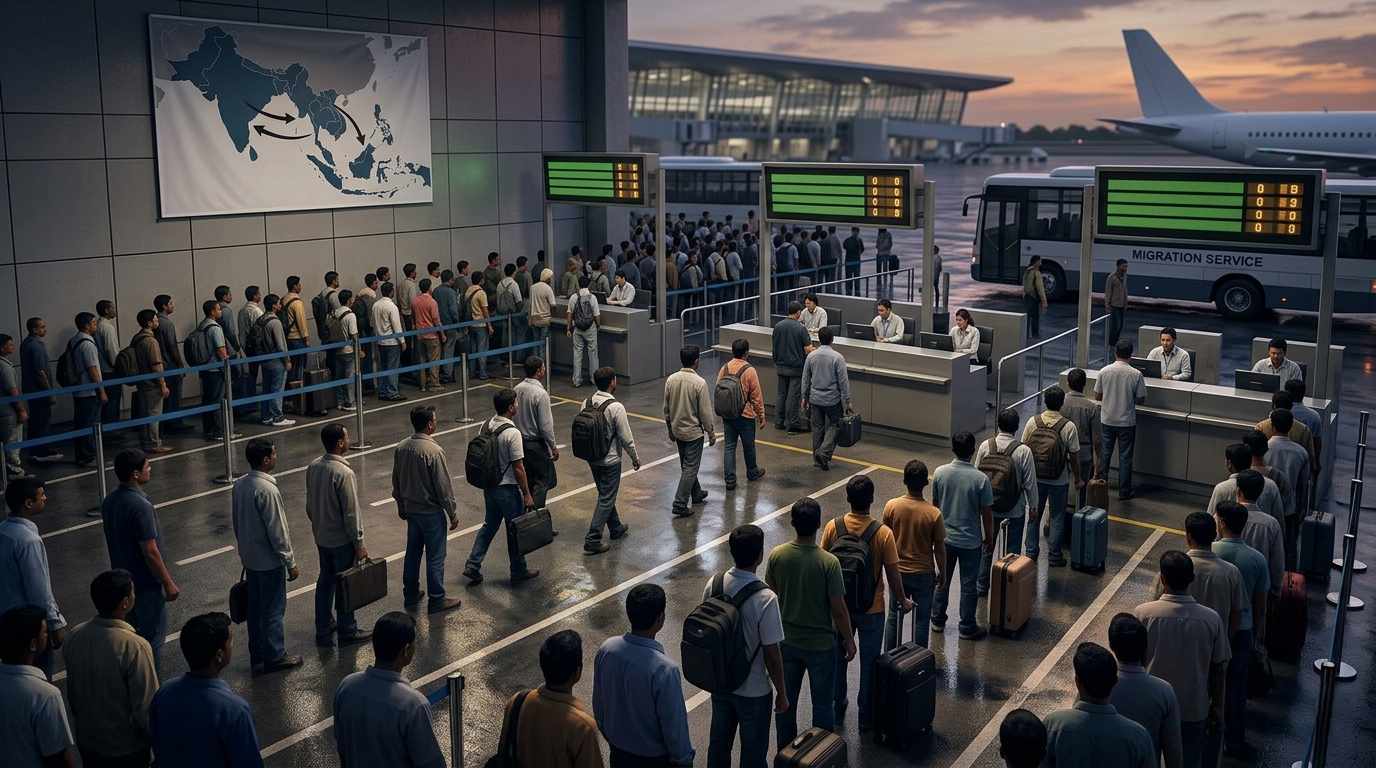
A 2021 MoU between Bangladesh and Malaysia safely deployed 476,672 workers via 101 authorised agencies. Managed under a 5-stage pipeline with dual-government oversight, the architecture ensured accountability through bilingual contracts, BMET clearance,
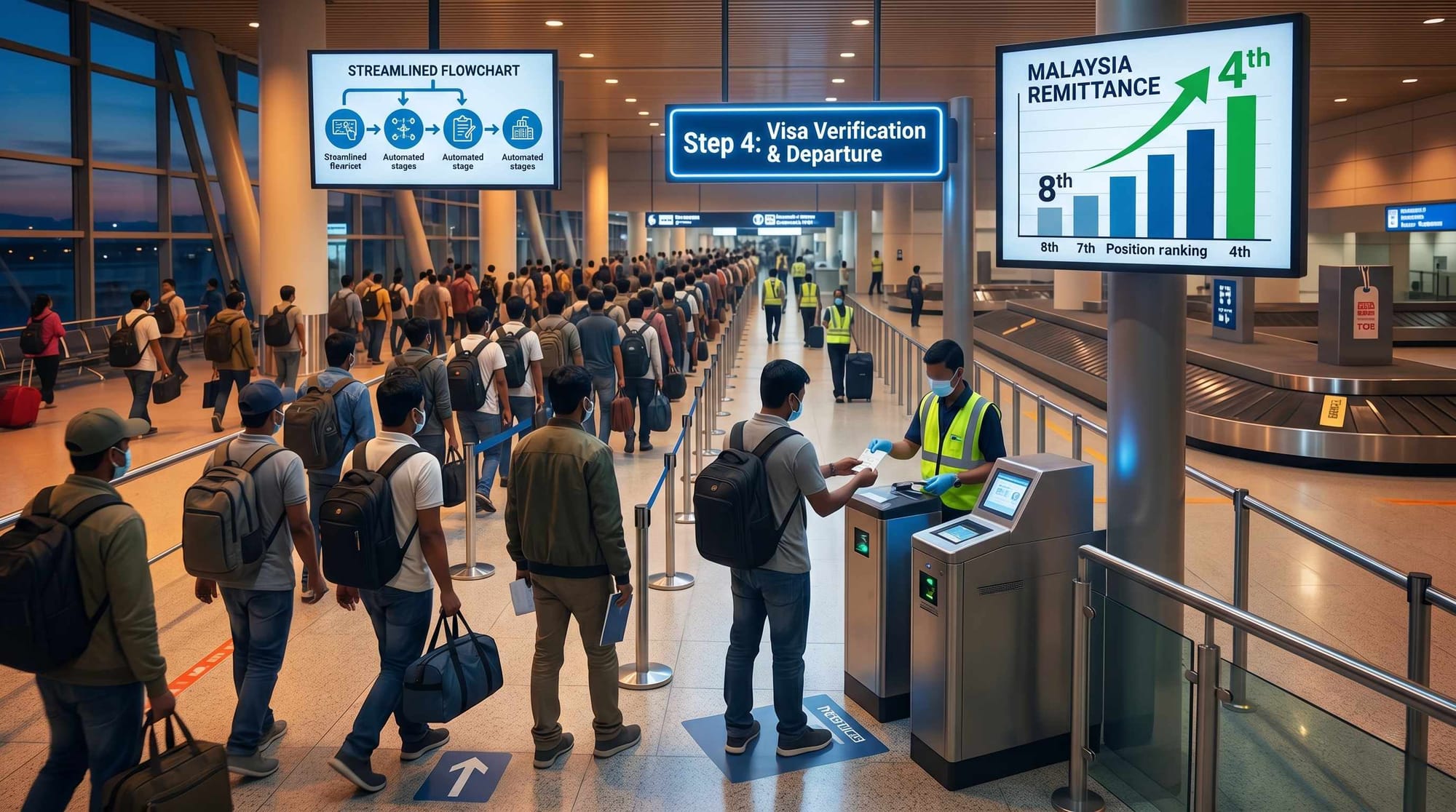
Under the 2021 MoU and 2022 JWG agreement, 101 approved agencies deployed 472,476 Bangladeshi workers to Malaysia in under two years. Using an automated 5-step process, this structured model eliminated quota trading
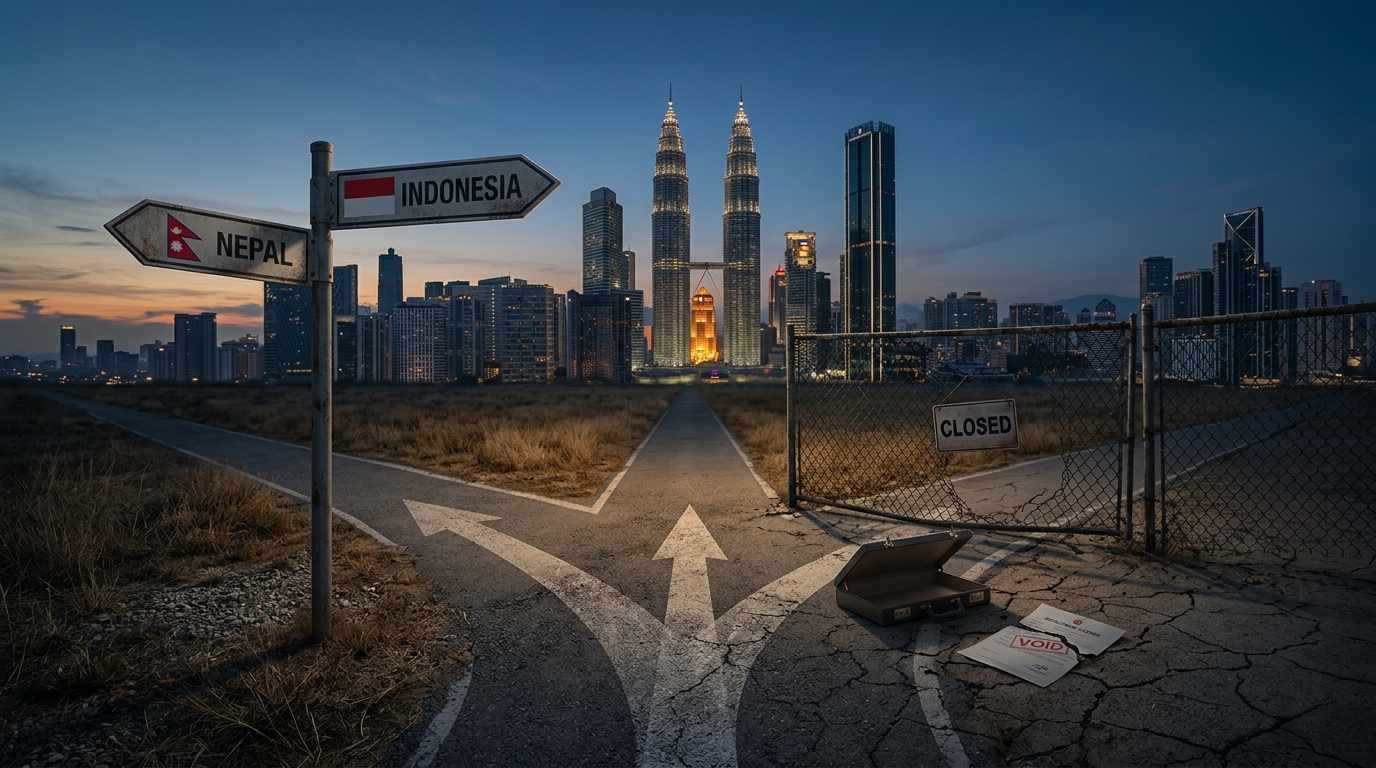
Bangladesh's approved pool of 100 recruitment agencies for Malaysia has collapsed due to legal troubles. As Malaysia reopens its labor market, Dhaka risks losing this key corridor to ready rivals Nepal and
Driven by the 2021 MoU and 476,672 worker placements, Bangladesh’s remittance from Malaysia jumped 71% to $1,744.4M in FY 2023-24, rising to 4th place. FY 2024-25 is on track for $3B based
When Malaysia suspended recruitment in 2024, Bangladesh's ministry couldn't verify its own list of 17,000 stranded workers. Only 4,000 came forward. Three structural systems — if built now — can ensure it
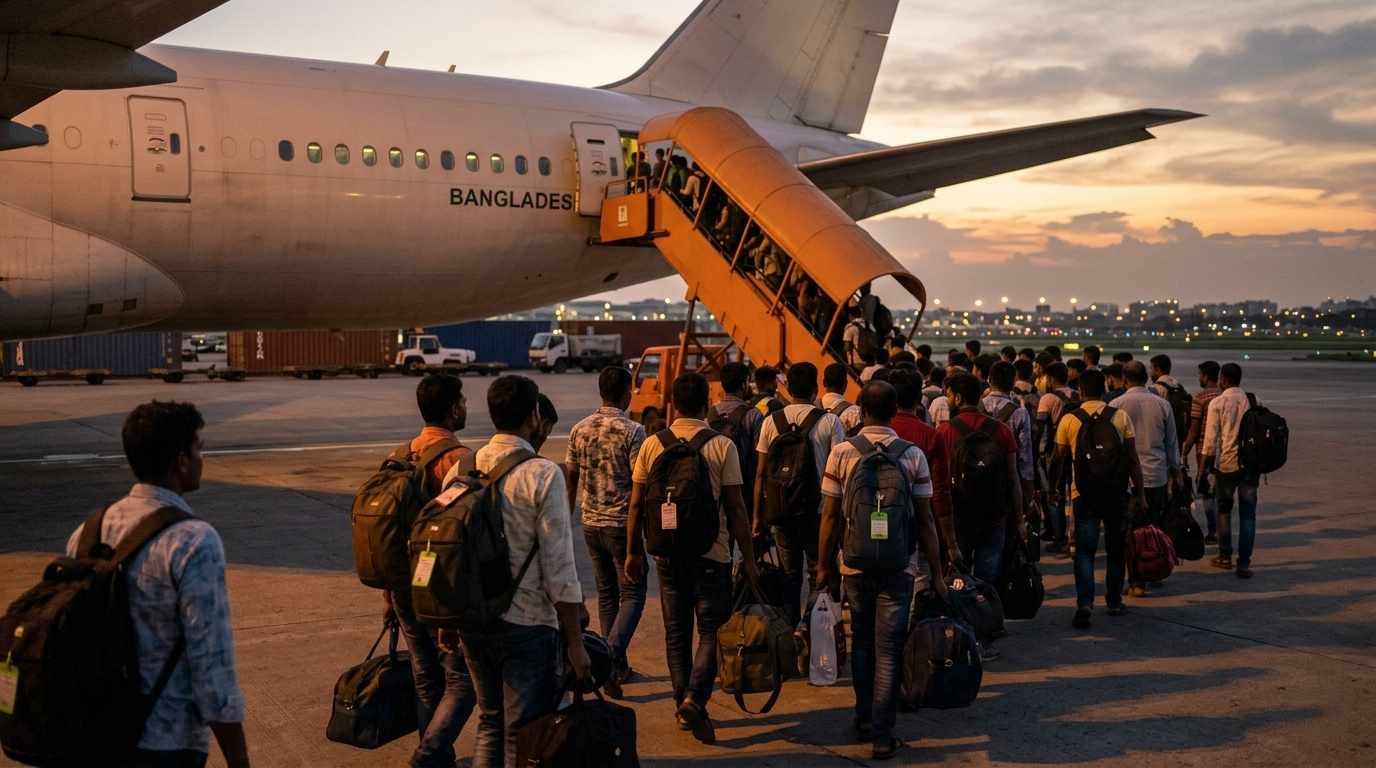
In May 2024, Bangladesh dispatched a record 45,031 workers to Malaysia, outpacing 14 rival nations combined (44,075). Despite peak Hajj-season airline constraints, BAIRA deployed emergency chartered flights to secure this logistical milestone.
In 22 months, nearly 500,000 Bangladeshi workers migrated to Malaysia under a digital recruitment system, boosting Malaysia from 8th to 4th in remittance sources. Channeling 285 billion BDT annually through formal banking.
Malaysia's labor market is reopening — but Bangladesh must clear six critical reforms first. With Nepal and Indonesia ready to absorb every quota Dhaka fails to claim, the window is open but
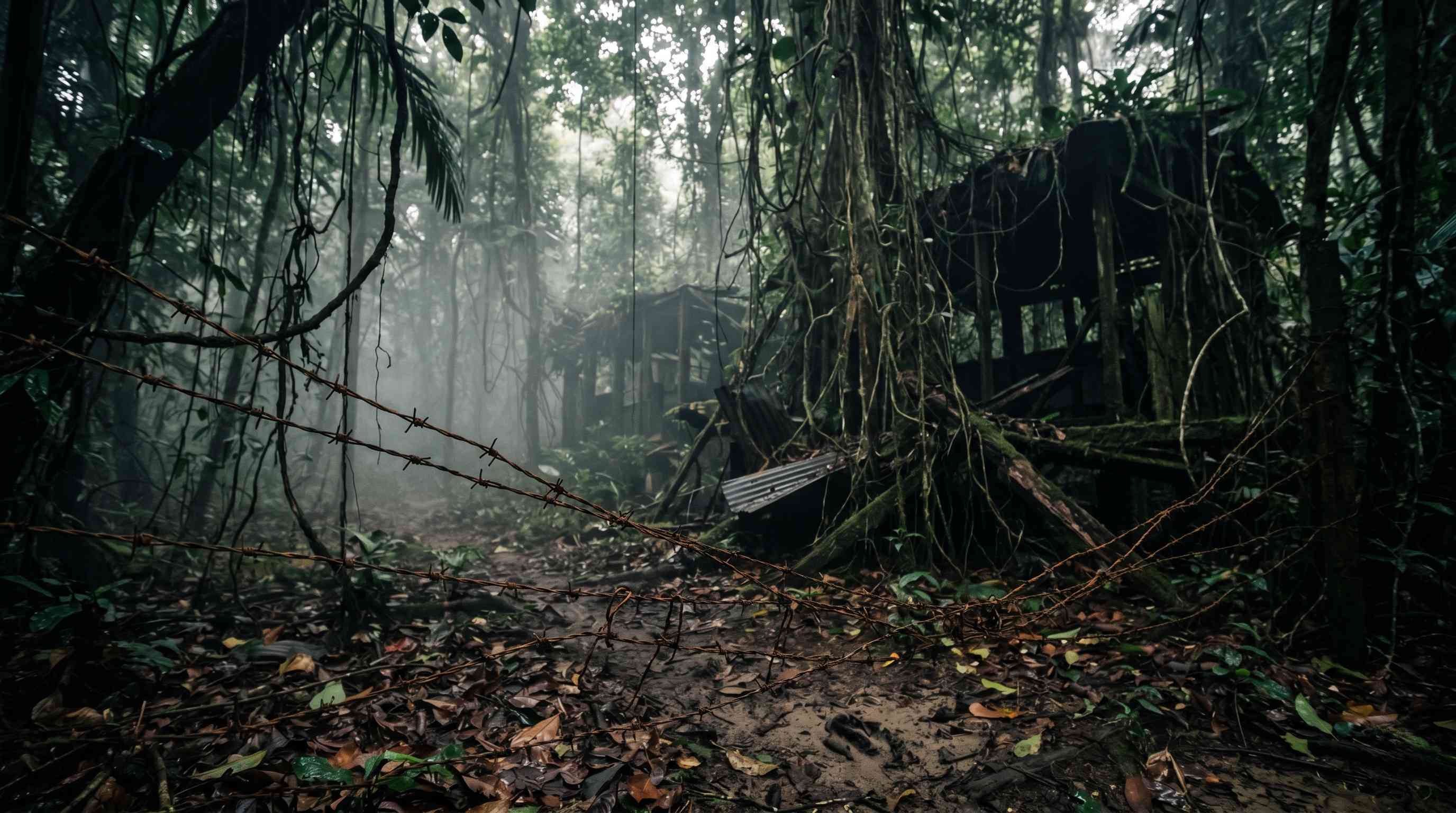
Wang Kelian's jungle graves — 139 mass graves, ~130 dead Bangladeshis and Rohingyas — exposed the lethal cost of closing legal migration corridors. When Bangladesh's Malaysia labour route shut in 2009, trafficking